Choosing a smart pet products manufacturer requires more than comparing unit prices. Importers and distributors should evaluate product specialization, OEM/ODM capability, quality control, compliance support, production scalability, and communication before placing an order.
Smart pet appliances combine electronics, moving parts, sensors, software or connectivity, and components that pets interact with every day. A supplier therefore needs to support both reliable manufacturing and the practical requirements of the target market.
A useful supplier evaluation starts with one question: Can this manufacturer support the product category you want to sell today and the range you may want to build tomorrow?
A manufacturer specializing in smart pet products should understand the different engineering requirements of feeding, hydration, litter management, and grooming appliances.
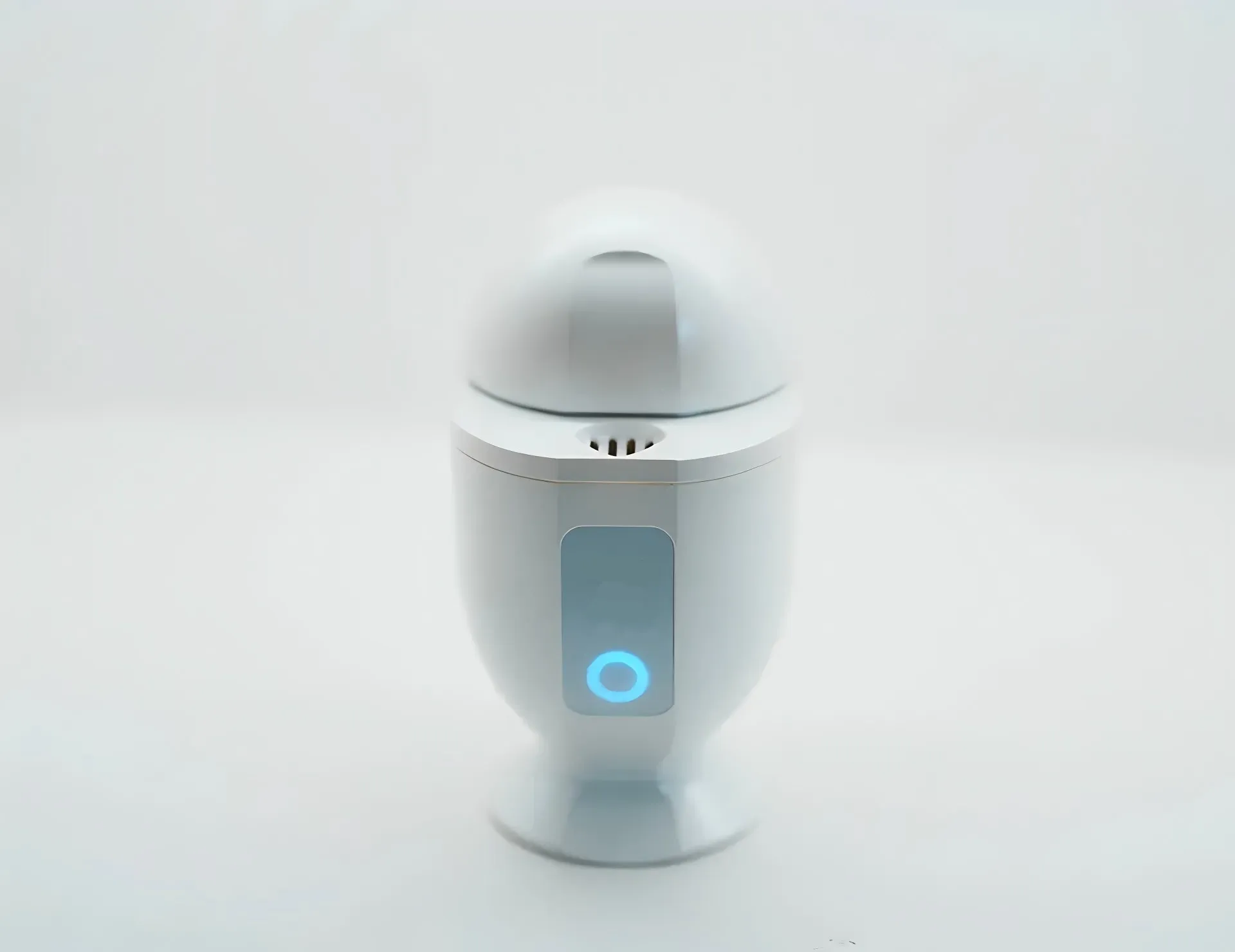
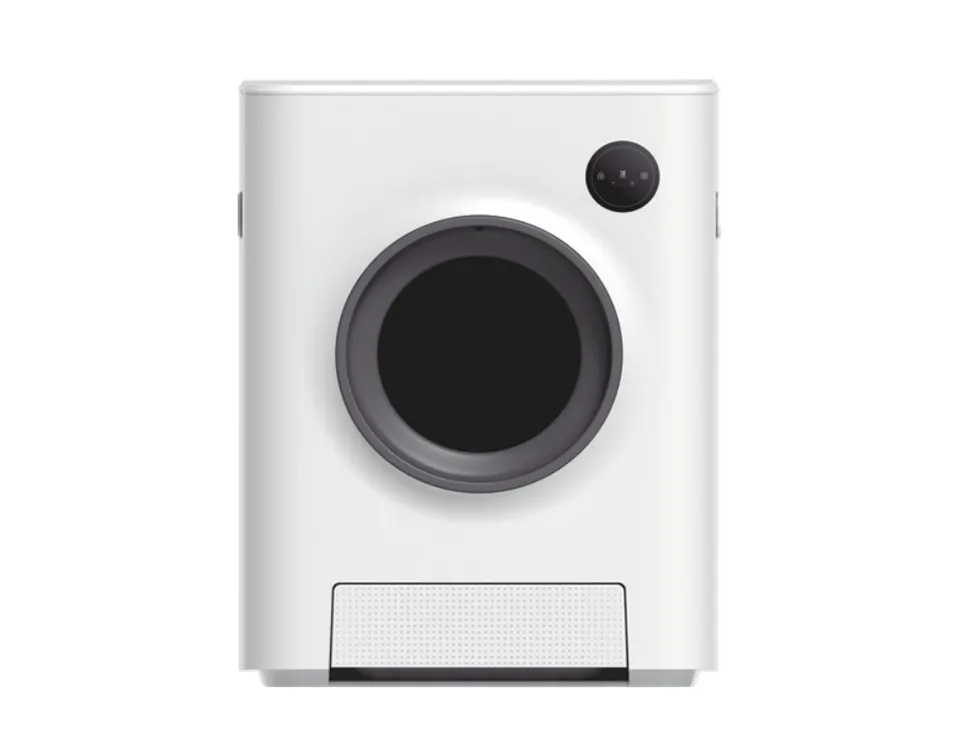
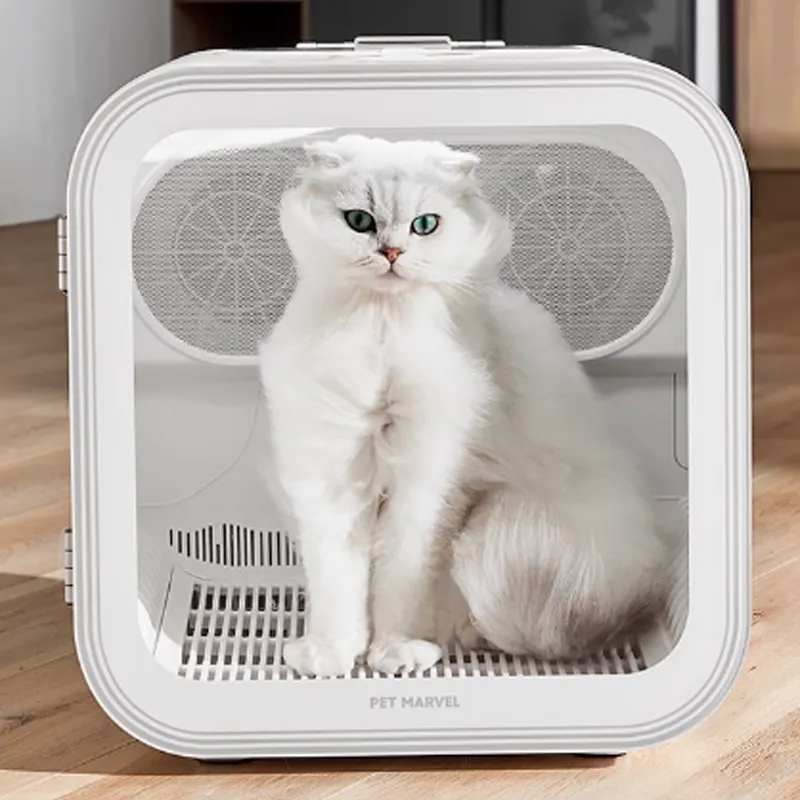
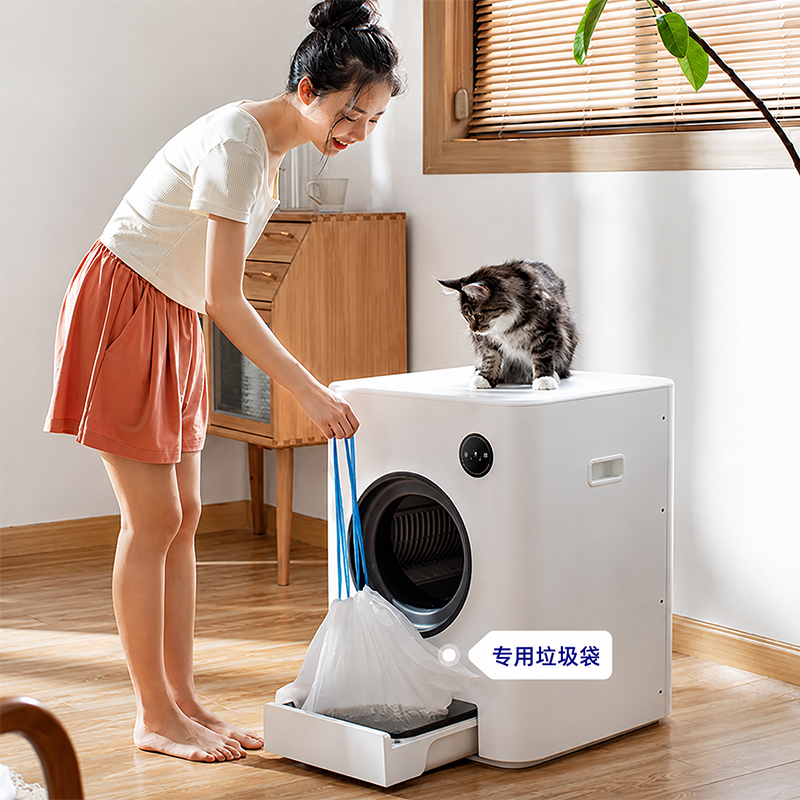
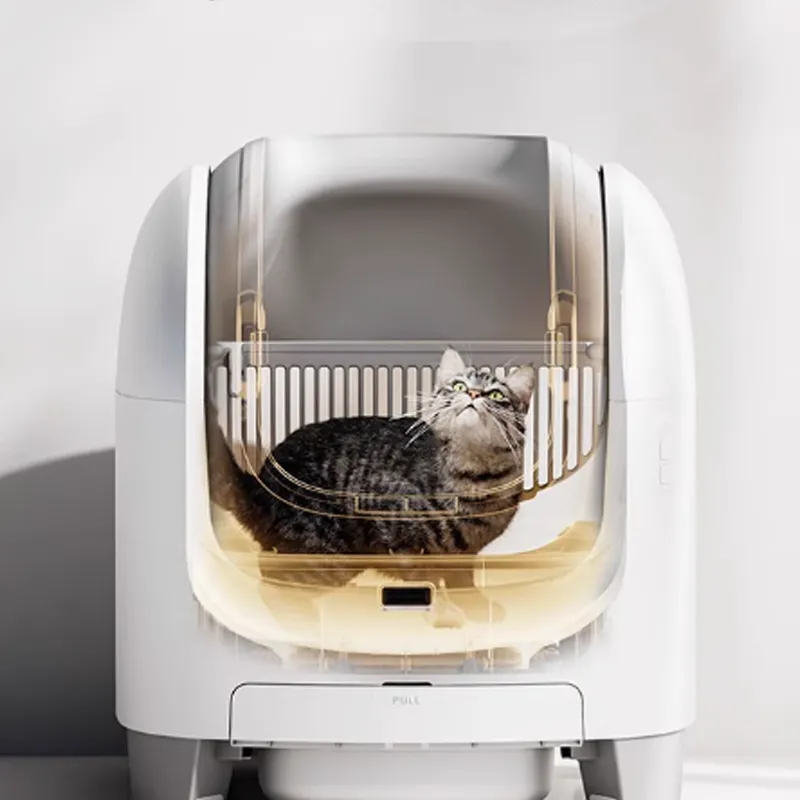
PinDuan's current pet-care portfolio includes smart feeders and water systems, automatic cat litter boxes, pet dryer boxes, and customized smart pet devices. Its M1, for example, combines controlled food dispensing, feeding-data monitoring, automatic water refilling, and water filtration, while its litter-box and dryer ranges address automated cleaning and home grooming applications.
For importers building a product roadmap, this makes it useful to evaluate suppliers across several areas:
| Manufacturer Check | What Buyers Should Verify |
|---|---|
| Product range | Can one supplier support multiple relevant pet-care categories? |
| Engineering capability | Can it handle structural, electronic, sensor, and IoT requirements? |
| Customization | Can appearance, functions, branding, and packaging be adapted? |
| Quality control | How are functions and finished products inspected? |
| Production capacity | Can supply scale from market testing to larger orders? |
| Market support | Can specifications be adapted for the destination market? |
A broader manufacturing capability can also reduce the need to qualify a new supplier every time the brand expands into another pet-care category.
Importers should distinguish between a factory that can add a logo to an existing product and one that can support meaningful product development.
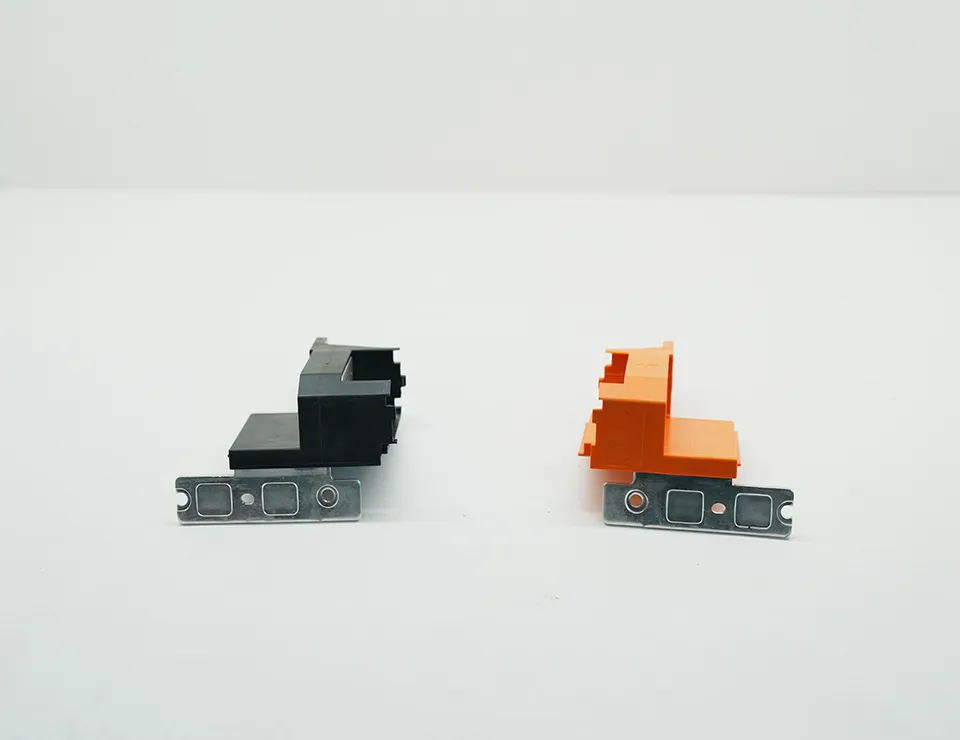
PinDuan states that its OEM/ODM services can cover product appearance, color, function configuration, packaging, logo branding, and market-specific requirements. Its broader manufacturing operation also includes engineering design, product testing, mold development, injection molding, surface finishing, and assembly.
That distinction matters for different buyers.
OEM is often practical when the buyer already has defined specifications or wants to customize an existing product platform for its brand.
Typical requirements might include:
Brand logo and packaging
Product color and surface finish
Selected functional configurations
Market-specific specifications
Retail positioning
ODM becomes more valuable when a buyer needs deeper support in product structure, engineering, functionality, testing, or development before production.
This can be particularly relevant for connected pet appliances because changing a housing design may affect sensors, motors, airflow, water paths, electronics, cleaning access, or assembly.
PinDuan describes its manufacturing support as an end-to-end process covering design, testing, manufacturing, and assembly, which allows product decisions to be considered together rather than as isolated steps.
For distributors planning a long-term private-label range, this capability can be more important than finding the lowest initial quotation.
These three areas should be evaluated before purchase orders become large.
Ask how the factory checks product consistency—not simply whether it has a QC department.
PinDuan states that it uses automated high-precision inspection equipment for its smart devices and operates in-house manufacturing processes including injection molding, surface treatment, and assembly.
For smart pet appliances, buyers should discuss testing relevant to the actual product, such as:
Sensor and safety-function performance
Motor or moving-component operation
Water-system reliability where applicable
Structural durability
Electronics and connectivity
Assembly consistency
Packaging protection
The exact inspection plan should match the SKU rather than relying on one generic checklist for every appliance.
A supplier also needs to match the buyer's business stage.
PinDuan states that it operates nine advanced production lines capable of supporting multiple pet-appliance categories and offers flexible MOQ arrangements for different project stages, including trial orders and bulk production.
Importers should still confirm the details for each project, including MOQ, sample requirements, tooling needs, production lead time, packaging MOQ, and capacity for repeat orders.
Do not treat compliance as a box to check after production.
PinDuan states that its smart pet product development considers international market requirements and provides CE/FCC compliance support. Its own buyer guidance also recommends confirming certification needs and the intended market early in an OEM project.
For importers, the practical approach is to identify the specific SKU, electrical configuration, wireless functions, destination country, packaging, and sales channel first, then confirm which reports or documents are applicable.
Avoid assuming that documentation for one model automatically applies to another configuration. Compliance should be reviewed at the project and destination-market level.
A good supplier discussion should reveal how the manufacturer actually works, not just produce another quotation.
Before confirming a project, consider asking:
Which smart pet appliance categories do you manufacture in-house?
Which parts of development and production are handled internally?
What OEM and ODM changes are possible for this model?
Can we customize appearance, functions, logo, and packaging?
What testing is performed before shipment?
Which compliance documents are available for this exact model and target market?
What are the MOQ requirements for standard and customized orders?
What changes when moving from a trial order to mass production?
How are engineering changes and sample approvals recorded?
What support is available if a quality issue appears after delivery?
These questions also help buyers distinguish between a trading-oriented supplier and a manufacturer capable of participating in product development.
PinDuan integrates R&D, production, and sales and operates manufacturing capabilities including engineering, molding, injection molding, finishing, testing, and assembly. The company provides OEM/ODM services and states that its products are supplied to markets including Japan, South Korea, Europe, and America.
Its current range includes smart feeders, water systems, automatic cat litter boxes, pet dryer boxes, and OEM smart pet devices.
Yes. Available options can include appearance, color, functions, logo branding, packaging, and market-specific configurations depending on the project.
Confirm the product specification, target market, customization scope, required functions, compliance needs, packaging, expected quantity, and evaluation criteria.
No. Buyers should consider total value, including product quality, customization, testing, production reliability, communication, and potential after-sales costs.
PinDuan states that its flexible production system supports different procurement stages, from trial orders to bulk production. Exact MOQ and production terms should be confirmed for each project.
For importers and distributors, choosing a smart pet products manufacturer is ultimately a risk-management decision.
The strongest candidate should be able to support the product from selection or development through customization, testing, manufacturing, quality control, packaging, and repeat production. Product range matters, but so do engineering depth, scalable production, documentation support, and the ability to respond when market requirements change.
Guangdong PinDuan Intelligent Technology Development Co., Ltd. is a high-tech enterprise integrating R&D, production, and sales. Its smart pet portfolio includes feeding and hydration systems, automatic litter boxes, pet dryer boxes, and OEM/ODM solutions, supported by nine production lines and in-house engineering and manufacturing capabilities. The company provides customized services for different application fields and supplies products to markets including Japan, South Korea, Europe, and America.
If you are sourcing smart pet appliances for wholesale, distribution, private label, or a customized OEM/ODM project, Contact Us to discuss your target product, market, order requirements, and customization needs.
 English
 日本語
日本語 한국어
한국어 français
 Deutsch
 Español
 русский
 português