A combined smart pet feeder and water fountain is usually the more convenient choice when owners want to reduce floor space, manage feeding and hydration from one system, and simplify daily routines. Separate products can be better when food and water need to be placed in different locations, when multiple pets have different habits, or when owners want to upgrade each device independently.
The right choice is therefore not simply “one device is better.” It depends on feeding routines, available space, pet behavior, cleaning needs, capacity, and how much automation the household actually needs.
For many cat and small-pet households, combining food and water management can make everyday care more convenient.
Instead of maintaining a standalone feeder and a separate fountain, an integrated system can bring food dispensing, water management, and smart controls into one product. This is especially useful in apartments or other spaces where reducing the number of pet appliances matters.
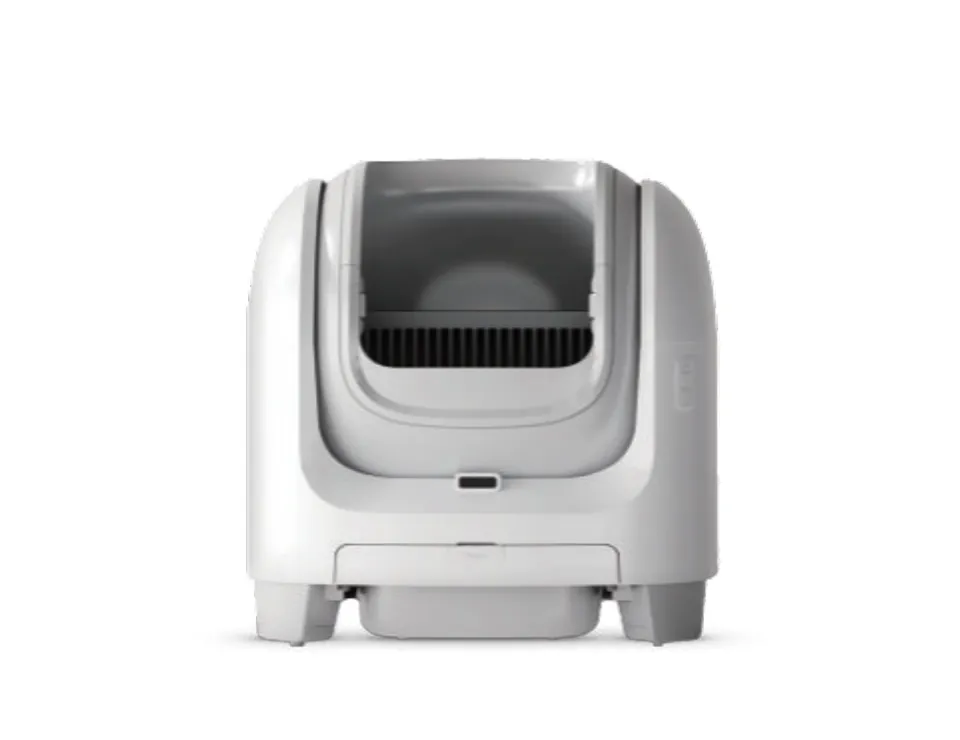
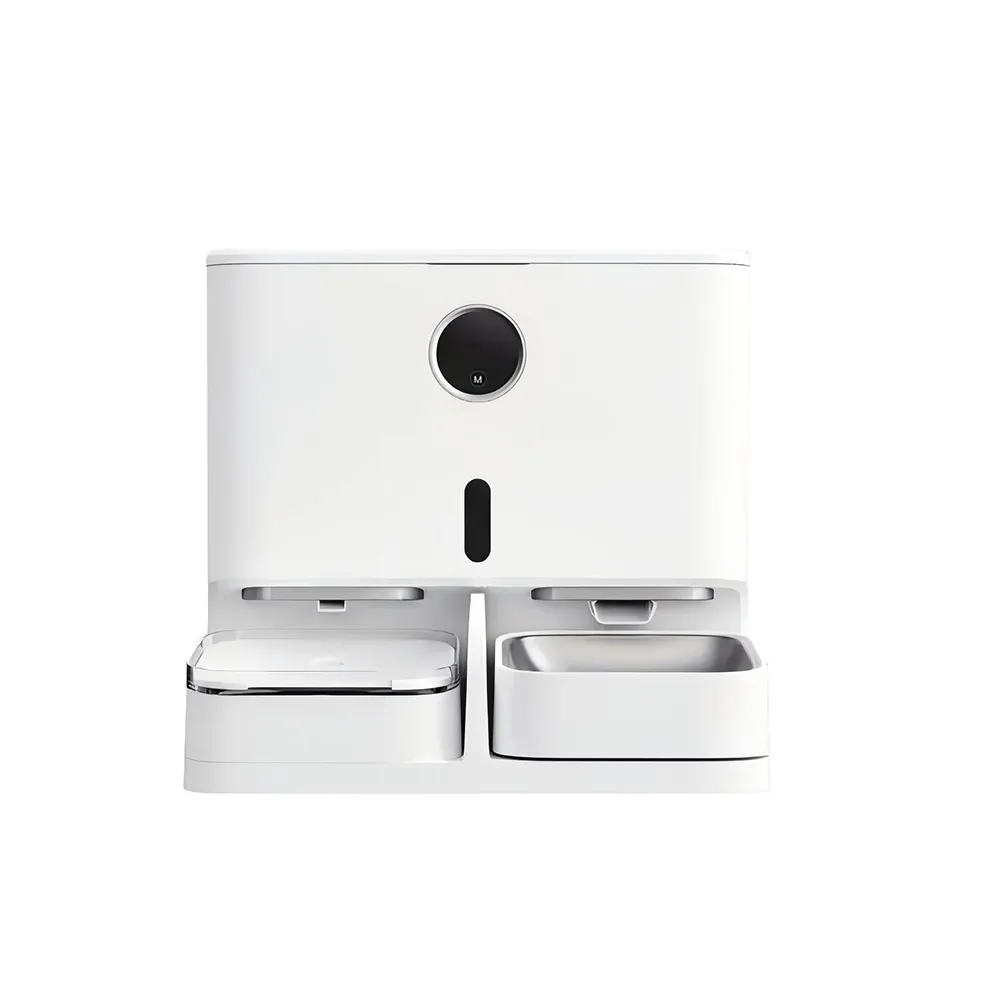
PinDuan's M1 combines an automated pet feeder with an automatic water system. It supports scheduled dry-food dispensing, automatic water refilling, intelligent filtration and water renewal, App control, and feeding-data monitoring.
There are, however, situations where separate products make more sense.
| One Combined Device | Separate Feeder and Fountain |
|---|---|
| Uses less floor space | More freedom in placement |
| Centralizes daily pet care | Each product can be replaced independently |
| Fewer separate appliances to manage | Better for pets that prefer food and water in different locations |
| Good for streamlined smart-home setups | More flexible for multi-pet households |
| Coordinated product design | Allows different capacities for food and water |
Neither arrangement is universally better. The best setup is the one that matches how the pet actually eats and drinks.
When food and water functions are combined, reliability becomes more important because owners are depending on one appliance for two daily routines.
Several features deserve particular attention.
Capacity determines how frequently owners need to refill the system.
The M1 uses a 3L grain bucket, 2.5L clean-water tank, and 1.8L wastewater tank. Its compact structure is designed for cats and small pets while reducing frequent manual food and water refilling.
Rather than comparing capacity numbers alone, buyers should consider the number and size of pets, feeding portions, water consumption, and how often someone is available to check the appliance.
Automation should do more than release food at a fixed time.
M1 allows users to customize feeding plans through an App and monitor feeding data in real time. This makes it easier to maintain a consistent feeding routine and review whether scheduled meals have been delivered.
A useful combined system also needs to manage the drinking side independently.
M1 automatically refills water and intelligently filters and refreshes drinking water rather than simply placing a conventional water bowl next to the feeder.
One common question about smart feeders is whether feeding stops if Wi-Fi or the App becomes unavailable.
For M1, saved feeding schedules can continue operating when the device goes offline. Its product design also includes food-backup detection, App notifications if food is not dispensed, and an optional backup battery that can provide up to 24 hours of operation in power-saving mode.
For any smart feeder, these fallback functions are worth evaluating because basic feeding should not depend entirely on continuous remote connectivity.
A combined feeder-and-fountain system is particularly practical when convenience and space efficiency are priorities.
It can be a good fit for:
Apartment households with limited pet-care space
Cat and small-pet owners who want scheduled dry-food feeding
Owners who want food and water functions managed through a smarter daily routine
Households that prefer fewer individual pet appliances
Users who value remote feeding management and feeding records
Separate products may be more suitable when pets naturally eat and drink in different areas. They can also make sense in multi-pet households where one animal needs a different feeder, feeding schedule, or water station.
Not necessarily. Some cats may prefer drinking in a different location from where they eat. Household layout and individual pet behavior should therefore influence placement.
An integrated product does not remove the need to observe whether a pet is comfortable using both areas of the device.
It does not have to be, but cleaning design becomes important.
Food-contact areas and water-system components have different maintenance needs. Buyers should check whether reservoirs, bowls, water paths, and other frequently cleaned parts are accessible before choosing an integrated system.
Automation reduces repetitive feeding and refilling tasks, but it does not eliminate regular cleaning, food replacement, water checks, or inspection of moving components.
They can be useful for owners who need scheduled feeding, portion management, remote controls, or more consistent daily routines.
A feeder can support scheduled meals during short absences, but it should not replace appropriate pet supervision. Food, water, device operation, and the pet itself still need regular checks.
Saved feeding schedules can continue operating if the device goes offline. App-based remote functions naturally depend on connectivity.
M1 is mainly designed for scheduled dry-food feeding together with automatic water management. A dedicated wet-food feeder is more appropriate when wet food must be stored and dispensed.
It has a 3L grain bucket, 2.5L clean-water tank, and 1.8L wastewater tank.
Yes. Bowls, food-contact surfaces, water tanks, filtration components, and other accessible areas still require routine inspection and cleaning.
The choice between a combined smart feeder and water fountain and two separate appliances comes down to how the pet and household actually use them.
An all-in-one design can reduce clutter and simplify daily management, while separate products offer greater freedom in placement and individual upgrades. Whichever approach a buyer chooses, food capacity, water management, cleaning accessibility, feeding reliability, connectivity, and backup operation deserve more attention than the number of smart features on the specification sheet.
M1 provides one example of an integrated approach, combining scheduled food dispensing, automatic water refilling and filtration, feeding-data monitoring, and App management in a compact system for cats and small pets. Its 3L food container, 2.5L clean-water tank, and 1.8L wastewater tank bring both feeding and hydration functions into one appliance.
For pet-care brands, the same considerations are important when developing products for retail markets. Pinduan—Guangdong PinDuan Intelligent Technology Development Co., Ltd.—is a high-tech enterprise integrating R&D, production, and sales. The company provides OEM/ODM customization services for different application fields, works as a strategic partner with multiple brands, and supplies products to markets including Japan, South Korea, Europe, and America.
Brands planning a smart feeder, integrated feeding-and-hydration appliance, or customized pet-care product can Contact Us to discuss product functions, appearance, packaging, market requirements, and OEM/ODM development.
 English
 日本語
日本語 한국어
한국어 français
 Deutsch
 Español
 русский
 português